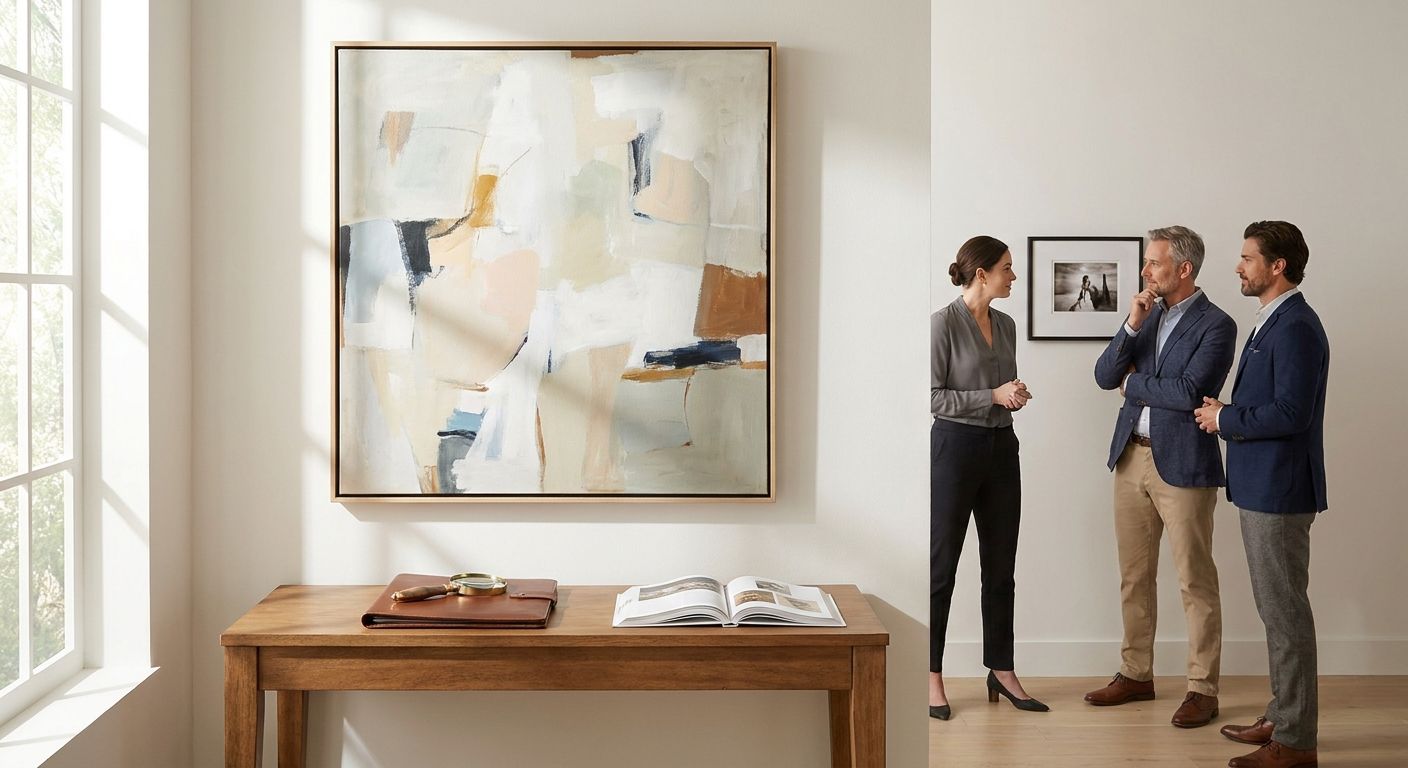
Choosing wall art as an investment means favouring original paintings and small, numbered limited editions from artists with a real sales history over mass-produced posters or open-edition canvas prints. Even then, treat resale as a bonus rather than the point: most pieces bought for a home in 2026 are never resold, so the piece still has to earn its place on the wall on looks alone.
- Original paintings and small numbered editions hold the strongest resale potential in 2026.
- Edition size, signature and provenance matter more to value than subject matter.
- Open edition canvas prints and mass posters rarely appreciate — buy them for decor, not investment.
- Gioia Wall Art stocks originals with documented artist details alongside decorative prints, so check the category before you buy.
- Sun and moisture protection preserve resale value as much as the artist's reputation does.
Why this matters
More Australians are asking whether the art on their walls is worth anything beyond decoration, especially as original paintings and artist-led prints get more visible online. The honest answer is that most wall art bought for a home is a decorating decision, not a financial one — but a smaller category of work, bought with the right criteria, does carry real resale potential. Knowing which category you're in before you pay changes what you should be looking at. Browsing Gioia Wall Art's originals versus its printed collections is a quick way to see the difference in practice.
How to Choose Wall Art as an Investment
The fastest way to sort investment-grade art from decor is to compare the four categories side by side:
| Category | Resale potential | What drives the value | Best for |
|---|---|---|---|
| Original painting | Highest | Artist reputation, provenance, medium, condition | Buyers who want a one-of-one piece and don't mind paying more upfront |
| Small limited edition print (numbered, e.g. /50) | Moderate | Edition size, artist demand, signature | Buyers who want scarcity without an original's cost |
| Open edition canvas print | Low | Interior trend, print quality | Buyers decorating a room, not building a collection |
| Mass-market poster | Minimal to none | Reproduced indefinitely, no scarcity | Renters and short-term styling |
Everything below the top row is fine to buy — it just isn't an investment, and pretending otherwise leads to disappointment when you try to resell.
Original paintings: the strongest long-term hold
An original is the only category where the piece itself is unrepeatable — there's one canvas, one signature, one physical object tied to the artist's career. Value tracks the artist's exhibition history, the medium (acrylic and oil generally hold interest better than mixed media on paper), and physical condition over time.
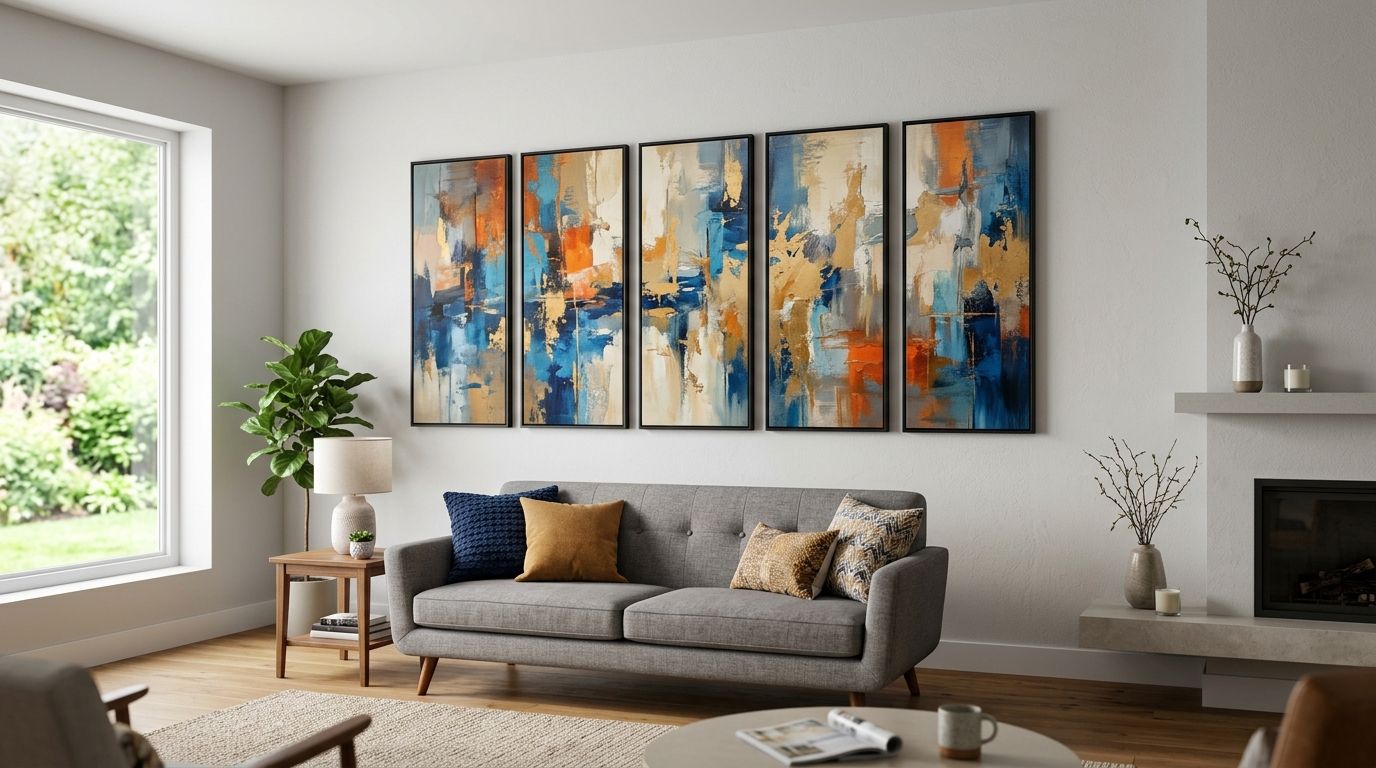
Larger, statement-scale originals also carry more presence and rarity than small studio pieces. A work sized around 165 cm x 150 cm, for example, occupies a different tier of a collector's wall than a 30 x 40 cm study — scale itself becomes part of the value story, not just the image.
Pros: one-of-a-kind, full ownership of a unique object, easiest category to document provenance for. Cons: highest upfront outlay, requires more research into the artist, harder to "undo" if taste changes. Verdict: Buy if you've done the homework on the artist and want a piece with genuine resale ceiling. Skip if you just want something that matches the sofa.


Limited edition prints: value tied to the edition number
A limited edition print only holds up as a semi-investment if the edition is genuinely small and the print is signed and numbered — something like 25 or 50 copies, not 500. The certificate that comes with it should state the edition size; without it, you can't prove scarcity to a future buyer.
Pros: more accessible price point than an original, still carries the artist's signature, easier to source than an original by a sought-after name. Cons: value caps out well below an original, buyer has to trust the stated edition size, market for prints is thinner than for originals. Verdict: Hold this category for buyers who want scarcity on a mid-range budget. Skip it if the "limited edition" has no stated print run — that's a red flag, not a feature.
Open edition canvas prints and posters: decorate, don't speculate
Open edition canvas prints and posters are reproduced without a cap, which is exactly why they're affordable and exactly why they don't appreciate. There's no scarcity mechanism working in your favour, no matter how good the artist or the image is.
Pros: low cost of entry, easy to refresh a room without financial pressure, wide styling choice. Cons: essentially zero resale market, quality can vary between print runs, no documentation trail to prove authenticity of anything. Verdict: Buy these for styling a room in 2026 — just don't budget them as part of a collection's future value.
Why value varies
- Artist reputation and sales history — a documented track record of sales and exhibitions matters more than how much you personally like the work.
- Edition size and signature — smaller, signed, numbered runs hold interest better than open editions.
- Medium and materials — acrylic and oil originals generally age and hold value differently than works on paper or mixed media.
- Provenance and certificate of authenticity — losing this paperwork makes resale far harder even when the piece itself is untouched.
- Size and presence — large-format, statement-scale pieces stand out in a way small studies don't.
- Condition — UV fading, moisture damage, or a bent canvas edge all reduce resale value regardless of who painted it.
Related questions
Is a limited edition print a good investment?
A limited edition print is a moderate investment at best, and only if the edition is genuinely small — think 25 to 100 copies, signed and numbered. Anything marketed as "limited" without a stated run size shouldn't be treated as collectible.
Do canvas prints hold their value?
Canvas prints rarely hold value because open editions have no cap on how many are produced, which removes the scarcity that drives resale demand. Buy them expecting decorative life, not appreciation.
How do you know if an original painting is worth the price?
Check the artist's exhibition and sales history, the medium used, and whether provenance documents come with the piece — a guide to telling if an original painting is worth the price walks through each of these checks. A painting without any of that paperwork is much harder to resell later, regardless of how good it looks on the wall now.
Are prints by famous artists like Monet or Klimt an investment?
No — a reproduction print of a famous artist's work is decorative, not collectible, no matter how recognisable the original painting is. The fame belongs to the original object in a museum, not to the poster on your wall.
“Buy for the wall first, the market second — resale is a bonus, not a business plan.”
FAQ
What type of wall art holds its value best?
Original paintings from artists with a documented sales history hold value best, followed by small, signed limited edition prints. Open edition canvas prints and posters rarely appreciate at all.
Is a limited edition print a good investment?
A limited edition print is a moderate investment only when the run is genuinely small and signed, such as an edition of 50. Without a stated edition size, treat it as decor, not an asset.
Do canvas prints appreciate in value?
Open edition canvas prints generally do not appreciate because they're reproduced without a cap, removing the scarcity that drives resale demand. Buy canvas prints for how a room looks, not for future value.
How much does an original painting cost compared to a print?
Original paintings cost more upfront than prints because you're buying a unique, unrepeatable object rather than a reproduction. Check current listings for specific pieces rather than relying on a fixed figure, since pricing varies by artist and size.
Does framing affect the resale value of wall art?
Yes — professional framing and UV protection help preserve a piece's condition, while unprotected canvas left in direct sun can fade and lose resale appeal. Poor framing choices can also make a genuinely good original look cheap to a future buyer.
Should I buy wall art for love or for investment?
Buy for love first, because most wall art bought for a home in 2026 is never resold. Investment potential should be a secondary filter applied only after you already want the piece.
What size wall art has the best investment potential?
Larger, statement-scale originals — pieces in the 150 cm-plus range rather than small studio studies — tend to carry more presence and rarity in a collector's eye. Size alone doesn't guarantee value, but it does add to a piece's standing.
Can I tell if an original painting is worth the asking price?
You can assess this by checking the artist's exhibition and sales history, the medium, and whether provenance documents are included. A painting without any paperwork trail is harder to value and harder to resell later.
One last thing
The certificate of authenticity or provenance paperwork is often worth more to resale value than people expect — misplace it, and even an untouched, well-cared-for original becomes a much harder sell in 2026's market for buyers who can't verify what they're looking at. Keep that paperwork with the piece, not in a drawer somewhere else in the house.