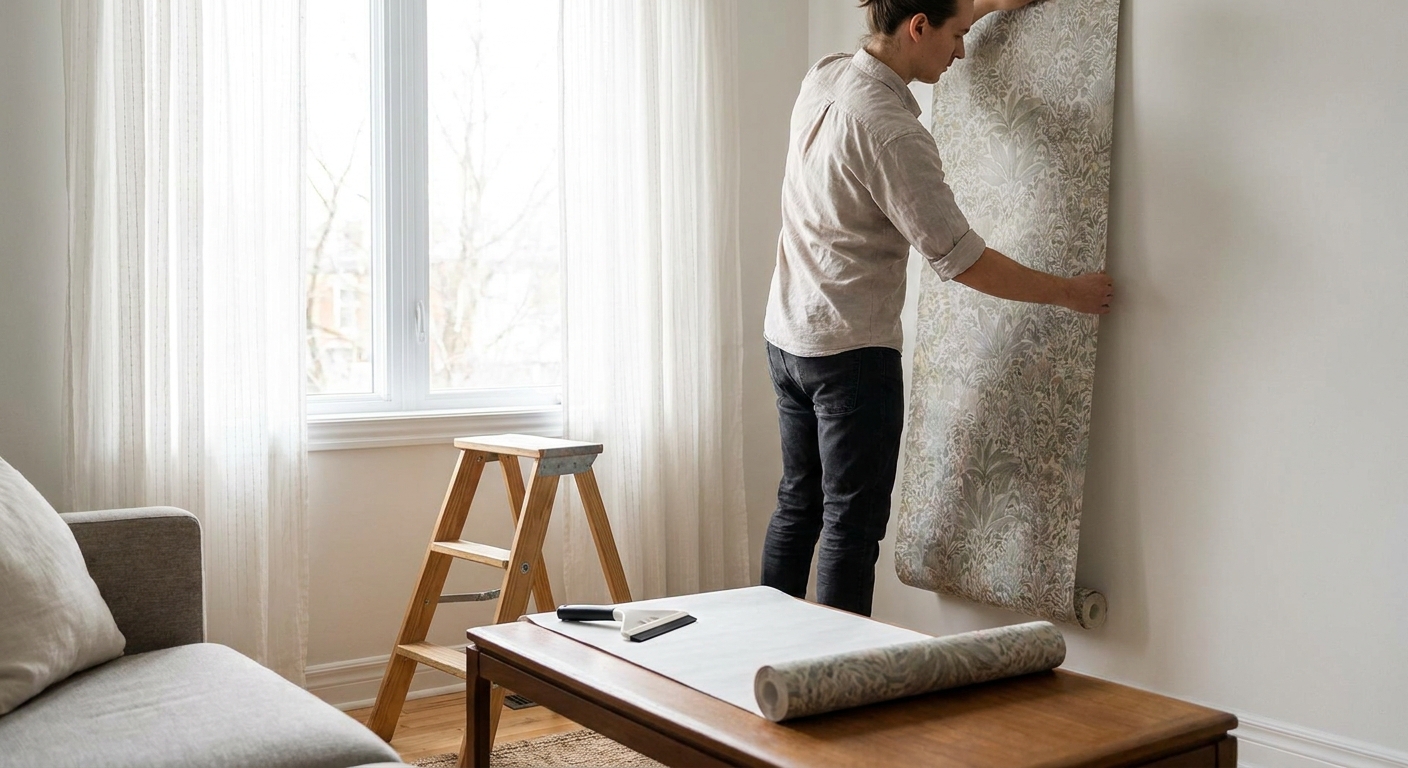
Peel and stick wallpaper for rental apartments promises a feature wall without a bond dispute, but most guides skip the part where the adhesive fails in month three. This one covers what actually holds through a lease in 2026, and what to hang instead when the wall itself is the problem.
- Peel and stick wallpaper for rental apartments works on smooth painted plaster; textured or heritage walls reject the adhesive within weeks. Buy for feature walls, skip for bathrooms.
- Test a hidden patch for 48 hours before committing a full roll — adhesive failure shows up in week one, not month twelve.
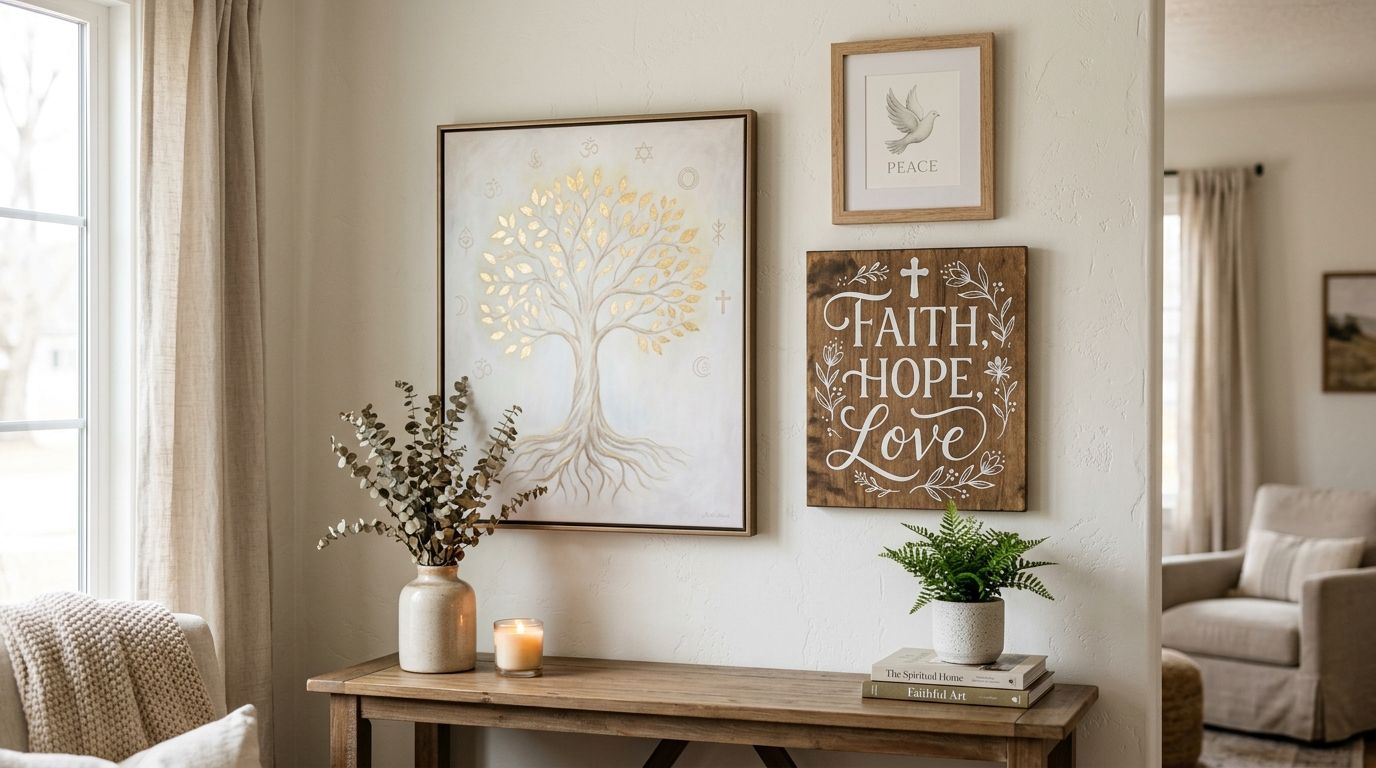
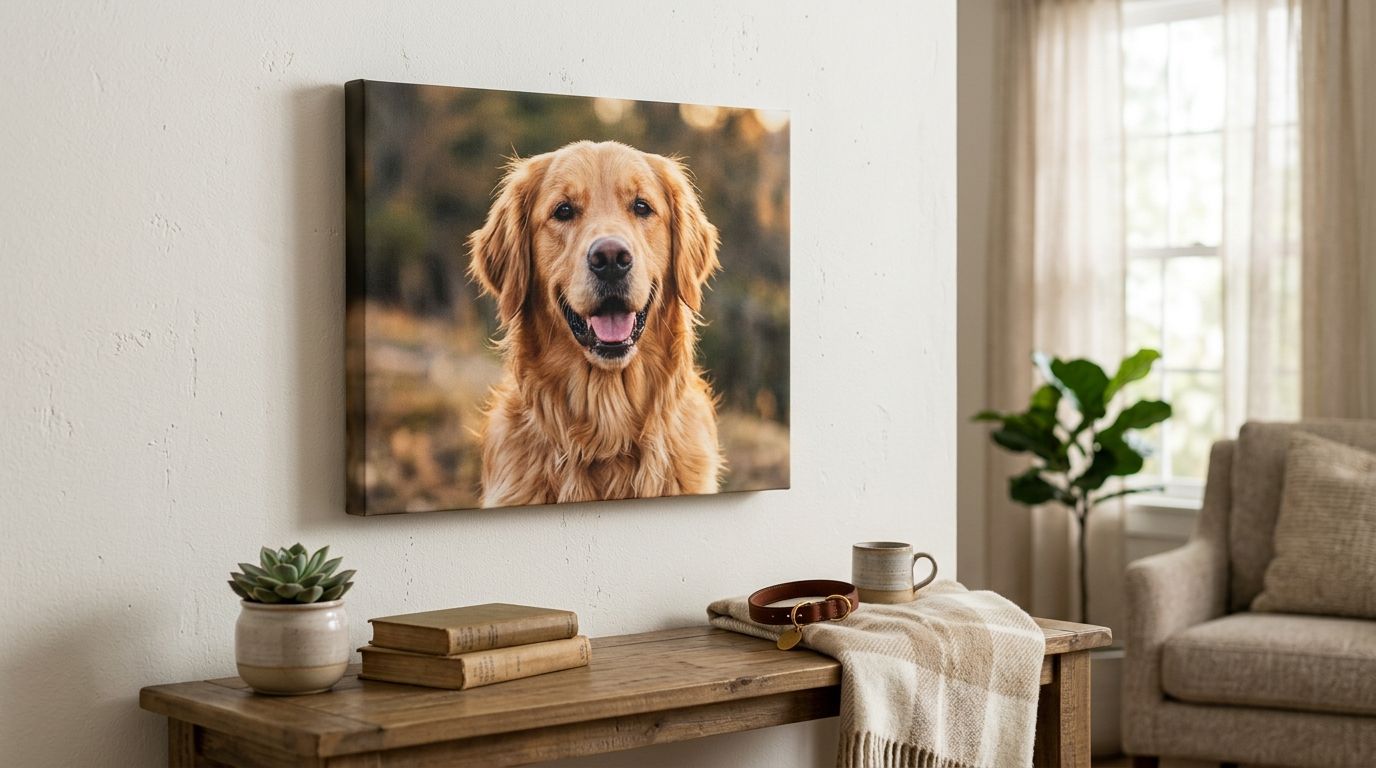
- Lightweight canvas prints and framed art from Gioia Wall Art carry zero bond risk and suit walls wallpaper can't grip.
- Fabric-backed and matte vinyl rolls outlast gloss-finish sheets through a full 12-month Australian lease.
Why this matters
A rental wall is a liability the moment you touch it with anything semi-permanent. Landlords in 2026 still expect walls returned in the condition they were handed over, and adhesive residue, torn paint, or a half-peeled corner is exactly the kind of thing that shows up on a bond inspection report.
Peel and stick wallpaper for rental apartments sits in a grey zone — reversible in theory, damaging in practice if the wrong product goes on the wrong surface. Getting the surface match right matters more than the pattern.
Who this is for
This guide is for tenants in share houses, one-year leases, and short-stay apartments who want a wall that looks considered without risking a bond deduction. If you're weighing a full wallpaper commitment against something you can swap in an afternoon, start with canvas prints for open-plan living spaces as the lower-risk comparison point before you buy a roll.
It's also for anyone in a rental built before the 1990s, where plaster walls, cornicing, and old paint layers make adhesive products far less predictable than on a newer apartment's flat drywall.
What to look for in peel and stick wallpaper for rental apartments
Surface compatibility
Peel and stick wallpaper grips smooth, matte or eggshell-painted walls. It fails on textured plaster, popcorn ceilings-turned-walls, and anything with a gloss topcoat, because the adhesive can't form a continuous bond across an uneven surface. Run a hand over the wall before you order — if you can feel texture, the wallpaper will telegraph every bump and lift at the edges within weeks.
Adhesive strength versus clean removal
The strongest adhesive isn't the goal — the cleanest removal is. A roll that grips too hard will pull paint off with it at lease-end, which is worse for your bond than a wall with no wallpaper at all. Look for products explicitly marketed as repositionable, not just "removable," since repositionable rolls let you reset the bond during install and still lift clean a year later.
Humidity tolerance for Australian climates
Bathrooms, laundries, and coastal apartments run humid enough in summer to soften cheap adhesive within a season. Fabric-backed and matte vinyl rolls tolerate humidity far better than paper-backed sheets, which curl at the seams once ambient moisture climbs. If the room has a shower or gets no cross-ventilation, treat wallpaper as a bad bet regardless of brand.
Pattern scale for the room
A rental bedroom or share-house room is rarely large. Oversized florals or bold geometric repeats can make an 8 sqm room feel smaller, while a tighter, smaller-scale print reads as intentional rather than overwhelming. Scale the pattern to the wall, not to the photo you saw online.
Application without tools
A peel and stick roll should install with a smoothing tool, a tape measure, and a craft knife — nothing that requires drilling or wall anchors. If a product's instructions call for a primer coat or a heat gun, it's no longer a low-commitment rental option; it's a semi-permanent renovation with a landlord conversation attached.
Top picks for renter-friendly walls
The accent wall pairing. Instead of covering an entire room, wallpaper one wall and let everything else stay neutral and paint-safe. Pair it with canvas prints for open-plan living spaces on the adjoining wall so the room reads as styled rather than half-finished. One accent wall runs roughly 3-4 sqm in a standard rental bedroom, which keeps material cost and removal risk contained. Buy.
The gallery wall swap. If the wall itself is the risk — old plaster, a shared wall with a neighbour, a wall you can't reach without a ladder — skip wallpaper entirely and build a framed prints for gallery walls arrangement instead. A cluster of five to nine small frames spreads visual weight across the wall the way a wallpaper pattern would, without a single adhesive strip touching the paint. Buy.
The dorm-easy poster fix. For a share-house room you might leave in six months, a full wallpaper roll is overkill. Posters for dorm rooms solve the same "blank wall" problem for a fraction of the commitment, and they come down in seconds with zero adhesive residue to explain at inspection. Consider.
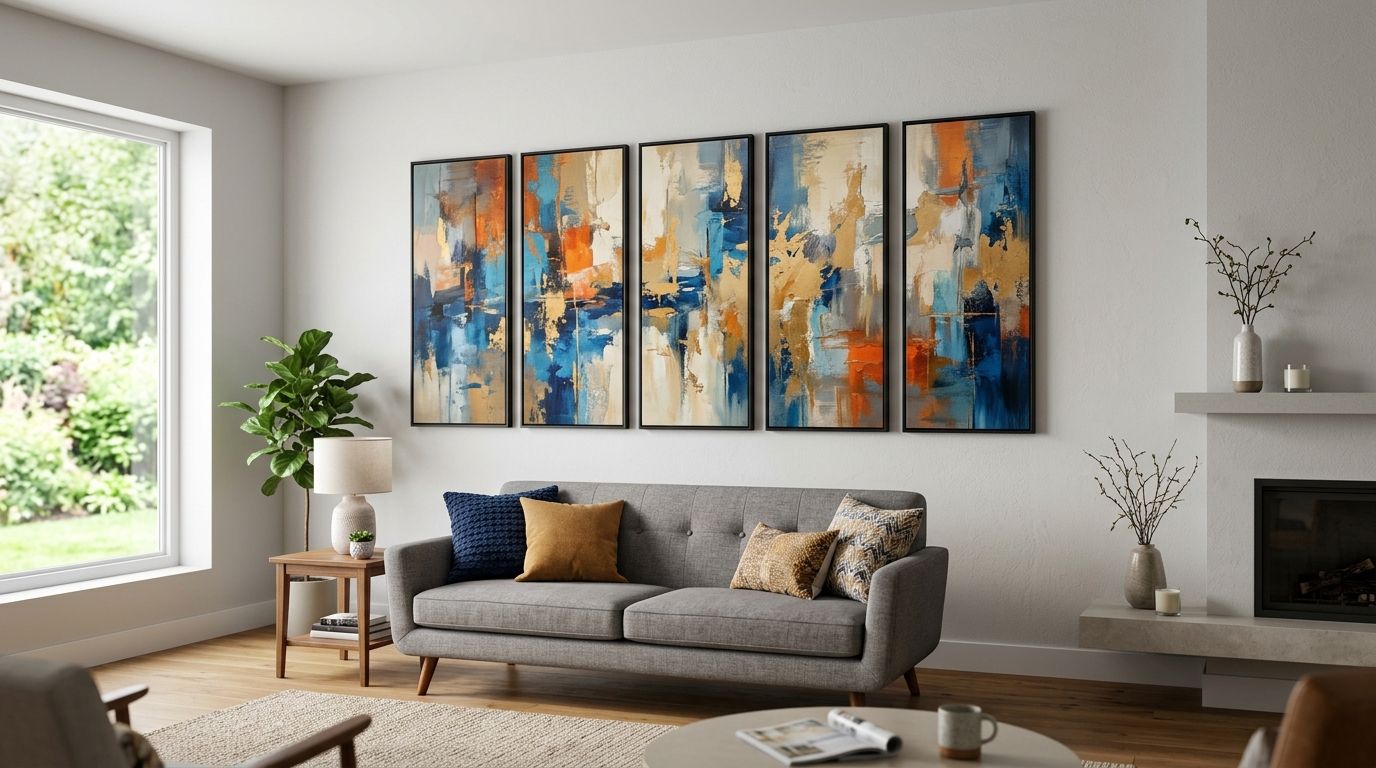
The statement wall alternative. If you want the visual impact of a full feature wall without touching the surface at all, a single large framed piece does the job. Browse best framed wall art prints in Australia for options sized to fill the same visual footprint a wallpaper panel would cover, hung on two picture hooks instead of a full roll of adhesive vinyl. Buy.


What to avoid
Bathroom and laundry walls. Even "waterproof" peel and stick wallpaper struggles against sustained shower steam. Save wallpaper for bedrooms and living areas; keep wet rooms plain.
Existing wallpaper you're not allowed to strip. Plenty of older rentals already have wallpaper on the walls, and most leases block you from removing it outright. In that case the landlord-approved workaround is usually to paint over the top rather than layer more adhesive product on top of an unstable surface — the approach to paint over wallpaper without removing it keeps the original layer intact while giving you a neutral base to style over.
One bold pattern across an entire small room. A full room in a large-scale print reads as a rental gone wrong, not a design choice. Contain the pattern to one wall.
Verdict comparison
| Wallpaper type | Removability | Best room | Verdict |
|---|---|---|---|
| Matte vinyl peel-and-stick | Clean, low residue | Bedroom, living room | Buy |
| Fabric-backed textile | Clean, humidity-tolerant | Living room, hallway | Buy |
| Gloss vinyl | Prone to residue | Avoid in rentals | Skip |
| Paper-backed print | Curls in humidity | Dry rooms only | Consider |
| Textured foam-backed | Poor adhesion on plaster | Not recommended | Skip |
FAQ
What's the best peel and stick wallpaper for rental apartments?
Matte vinyl or fabric-backed peel and stick wallpaper works best in rental apartments because it grips smooth painted walls and lifts clean at lease-end. Gloss vinyl and textured foam-backed rolls tend to leave residue or fail to adhere at all.
Is peel and stick wallpaper better than painting a rental?
Peel and stick wallpaper suits a single feature wall better than painting when you want pattern without a full repaint obligation at move-out. Painting is usually the safer choice for full rooms since most leases already permit a neutral repaint.
How much does peel and stick wallpaper cost in 2026?
Cost varies widely by brand, roll size and pattern complexity, with designer prints running well above basic solid-colour rolls. Budget for extra rolls beyond the wall's exact square metreage to account for pattern matching.
Will removable wallpaper get my bond back?
Removable wallpaper protects your bond only if it's genuinely repositionable and applied to a compatible painted surface. Adhesive that pulls paint off on removal is treated the same as any other wall damage during a bond inspection.
Can I use peel and stick wallpaper in a rental bathroom?
Bathrooms are the worst room for peel and stick wallpaper because sustained humidity softens most adhesives within a season. Keep wallpaper in bedrooms and living areas and leave wet rooms plain or tiled.
How long does peel and stick wallpaper last in a rental?
A well-matched fabric-backed or matte vinyl roll holds through a full 12-month lease on a smooth painted wall. Paper-backed or gloss rolls often start lifting at the seams within a few months, especially in humid climates.
Do I need landlord approval for peel and stick wallpaper in Australia?
Most Australian tenancy agreements in 2026 still require written landlord approval for wall alterations, even reversible ones. Confirm in writing before applying anything adhesive, since verbal approval won't help at a bond dispute.
What's a low-commitment alternative to wallpaper for renters?
Framed prints, canvas, and posters hung on picture hooks give the same visual impact as a feature wall without touching the paint. They come down in seconds and carry zero bond risk compared to any adhesive product.
One last thing
Before you order a full roll, stick a test patch to the back of a light switch cover for a week rather than a visible spot on the wall. It sits in the same room humidity and gets handled daily, so if the adhesive is going to fail, it fails there first — and nobody sees the test go wrong.