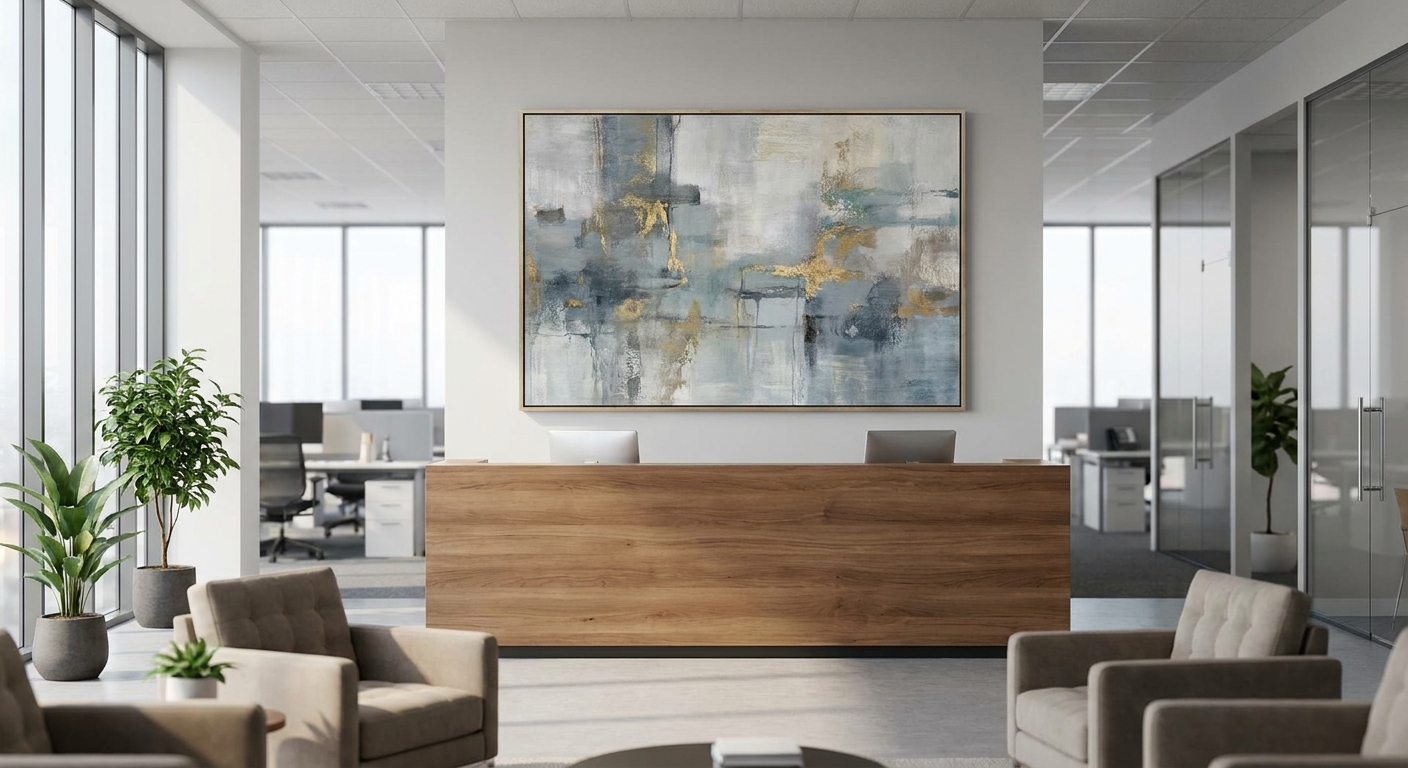
Wall art for corporate offices in 2026 has to do two jobs at once: read professional to clients walking through reception, and survive years of foot traffic in corridors and boardrooms. This guide breaks down what to buy for each zone and what to leave off the wall.
- Large-format canvas print wins for open-plan reception walls in 2026 — go 150cm-plus wide, skip anything under 90cm.
- Framed prints anchor boardrooms; original paintings suit single executive offices with budgets from $1,000 upward.
- Peel-and-stick wallpaper solves feature walls in leased offices without landlord sign-off — Consider, not Skip.
- Wall art for corporate offices should stay brand-neutral — abstract and landscape outperform figurative or personal prints in shared space.
- Motivational slogan posters and cheap unframed prints are the two things to avoid in any 2026 office fitout.
Why this matters
An empty office wall reads as unfinished, no matter how good the rest of the fit-out looks. Clients notice it in reception, staff notice it in the breakout room, and by 2026 most Australian commercial landlords still require sign-off before anyone drills into a shared wall. That's exactly why the wrong art choice — heavy frame, permanent fixing, wrong scale — becomes an expensive mistake to reverse.
Getting the size, finish and content right the first time matters more in an office than in a home. A corporate fitout gets seen by more people, more often, with less patience for anything that looks like a poster from a share house.
Who this is for
This guide is for office managers, facilities coordinators, and interior designers specifying wall art for a commercial fitout — coworking floors, law firms, medical suites, agency offices, anywhere staff and clients share the same walls. If you're furnishing a single home office rather than a shared commercial floor, the scale and budget calculus is different — the guide to wall art for home offices covers that case specifically. Everything below assumes multiple rooms, a shared budget, and at least one wall that outsiders will see.
What to look for in wall art for corporate offices
Scale that matches the wall, not the budget
A 60cm print on a 4-metre open-plan wall disappears — it reads as an afterthought rather than a decision. Measure the wall first and buy to fill roughly 60-75% of the available width; on a typical reception wall that means 150cm to 200cm, not the 40cm x 60cm size that suits a hallway at home.
Content that reads brand-neutral across a mixed audience
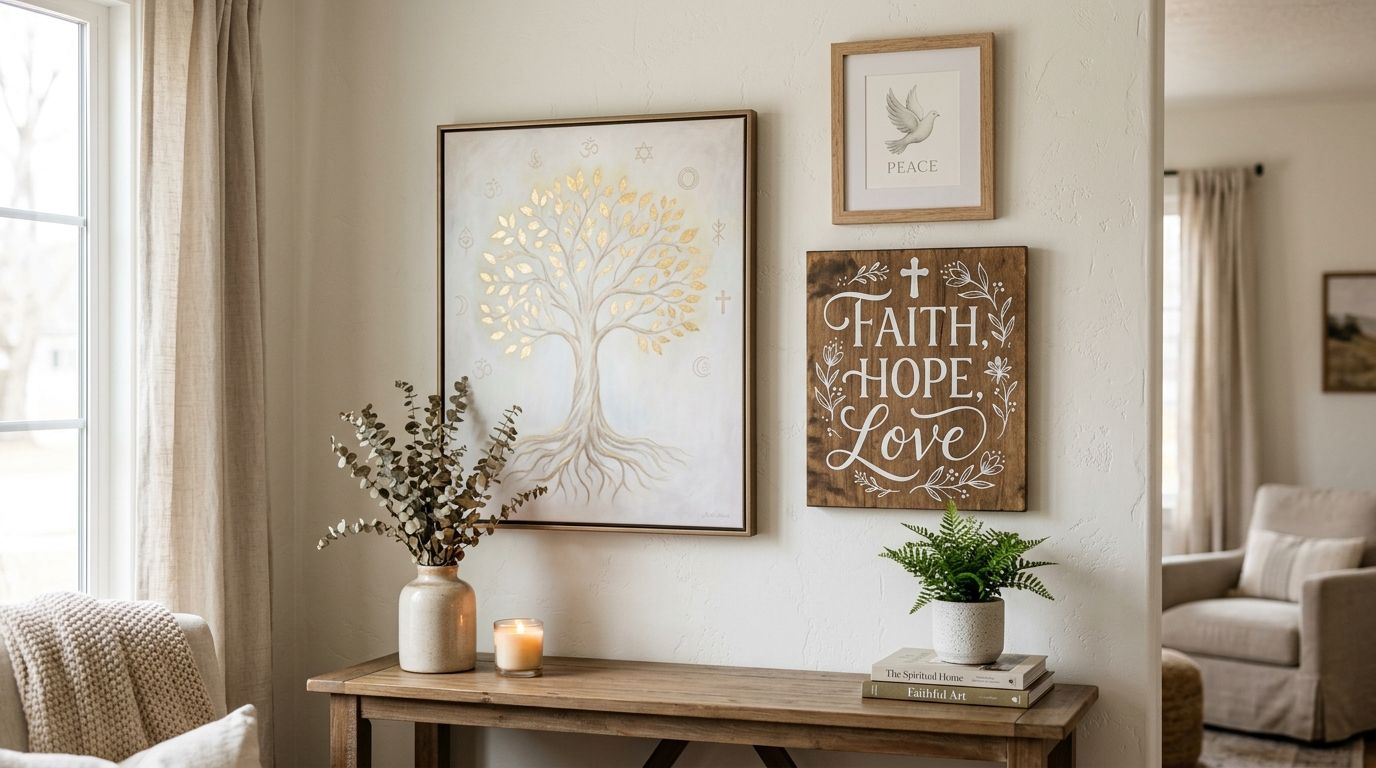
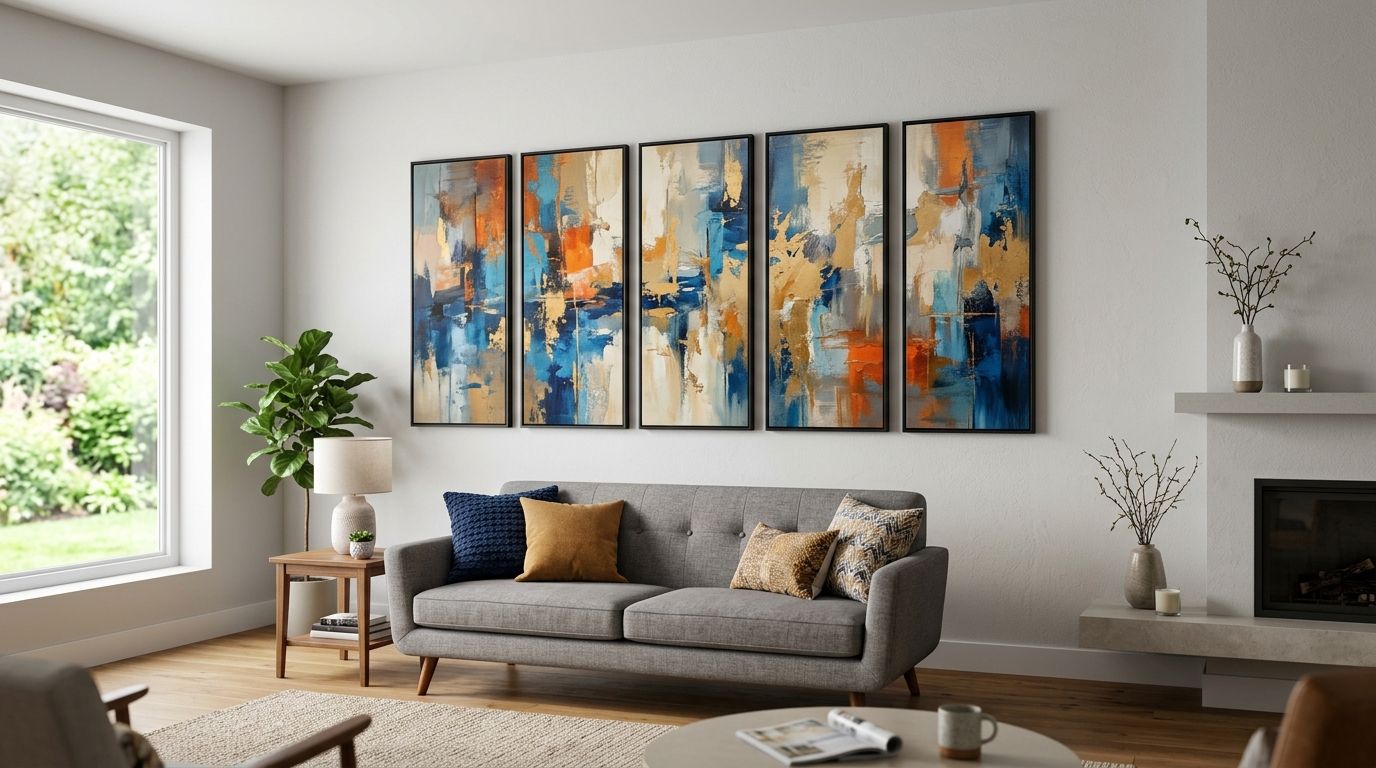
Corporate walls get seen by clients, candidates and staff from different backgrounds every single day, so content needs to work for all of them. Abstract, landscape and architectural photography clear that bar; figurative portraiture, religious imagery and anything overtly political do not, no matter how well it's executed.
A finish that survives corridors, not just cameras
Office corridors get bumped by trolleys, chairs and elbows in a way a lounge room wall never does. Canvas prints with a protective coating and framed prints under glass or acrylic hold up to that traffic for years; a cheap unframed poster curls and yellows within twelve months under office fluorescents.
Budget tiers that match the room's hierarchy
Not every wall needs the same spend. A boardroom or a managing director's office justifies an original painting or a large framed print in the $1,500-$5,000 range; a breakout room or corridor works fine with framed prints from a few hundred dollars each. Spreading one boardroom-sized budget across six corridor walls is how offices end up with six mediocre prints instead of one that actually lands.
An install method the lease actually allows
Most Australian commercial leases restrict drilling into structural or shared walls without written approval from building management, and reinstatement clauses make permanent fixings expensive to remove at lease end. Peel-and-stick wallpaper and picture-rail or D-ring hanging systems solve this for tenancies under three years; only fix directly into plasterboard or masonry once you know the lease term and the make-good clause.
Top picks for corporate office wall art
The reception statement — large-format canvas
This is the piece clients see first, so it carries the most weight for the least wall space. Canvas prints scale up to 200cm wide without the framing cost or weight of an equivalent framed piece, and a 150cm x 100cm canvas fills a typical 3-metre reception wall without crowding the sightline. Gioia's best canvas prints in Australia for large walls collection is built around exactly this scale. Verdict: Buy for any reception or open-plan wall over 2.5 metres wide.
The boardroom anchor — framed print
A frame reads as more considered than a stretched canvas, which is exactly the signal a boardroom needs to send. Framed prints in the 100cm-120cm range, mounted with a wide mat, give a boardroom table one clear focal point instead of a bare wall behind the screen. Gioia's best framed wall art prints in Australia range covers timber and metal frame options suited to that scale. Verdict: Buy for boardrooms and any room used for client-facing meetings.
The executive-suite splash — original painting
An original is the one wall decision in an office that can't be bought by a competitor down the street, which is why it belongs in the room where that matters. Gioia's current original painting catalogue ranges from $410 for a smaller abstract piece to $5,500 for a large-scale coastal work, with most executive-suite pieces landing between $1,300 and $2,500. It's a single-office decision, not a floor-wide one. Verdict: Consider for a managing director's office or a single high-visibility room; Skip if the budget needs to stretch across multiple rooms.
The breakout-zone gallery wall — grouped framed prints
A cluster of three to six smaller framed prints does more work in a collaboration or breakout zone than one large piece, because it holds attention from a seated angle rather than a walking-past angle. Gioia's guide to framed prints for gallery walls sets out spacing and sizing rules that keep the cluster looking curated instead of cluttered. Verdict: Buy for breakout rooms, kitchens and informal meeting nooks.
The no-drill feature wall — peel-and-stick wallpaper
For a tenancy under three years, a full feature wall in peel-and-stick wallpaper covers more visual ground per dollar than any single framed piece, and it comes off clean at lease end. It won't suit a boardroom that needs to look permanent for a decade, but it solves a reception feature wall in an afternoon rather than a week. Verdict: Consider for short-lease fitouts; Skip for owned premises or leases over five years.


What to avoid in corporate office wall art
- Motivational slogan posters. "Hustle" and "Dream Big" typography prints were an open-plan cliché a decade ago and read as dated in 2026 — they signal a low budget more than they signal culture.
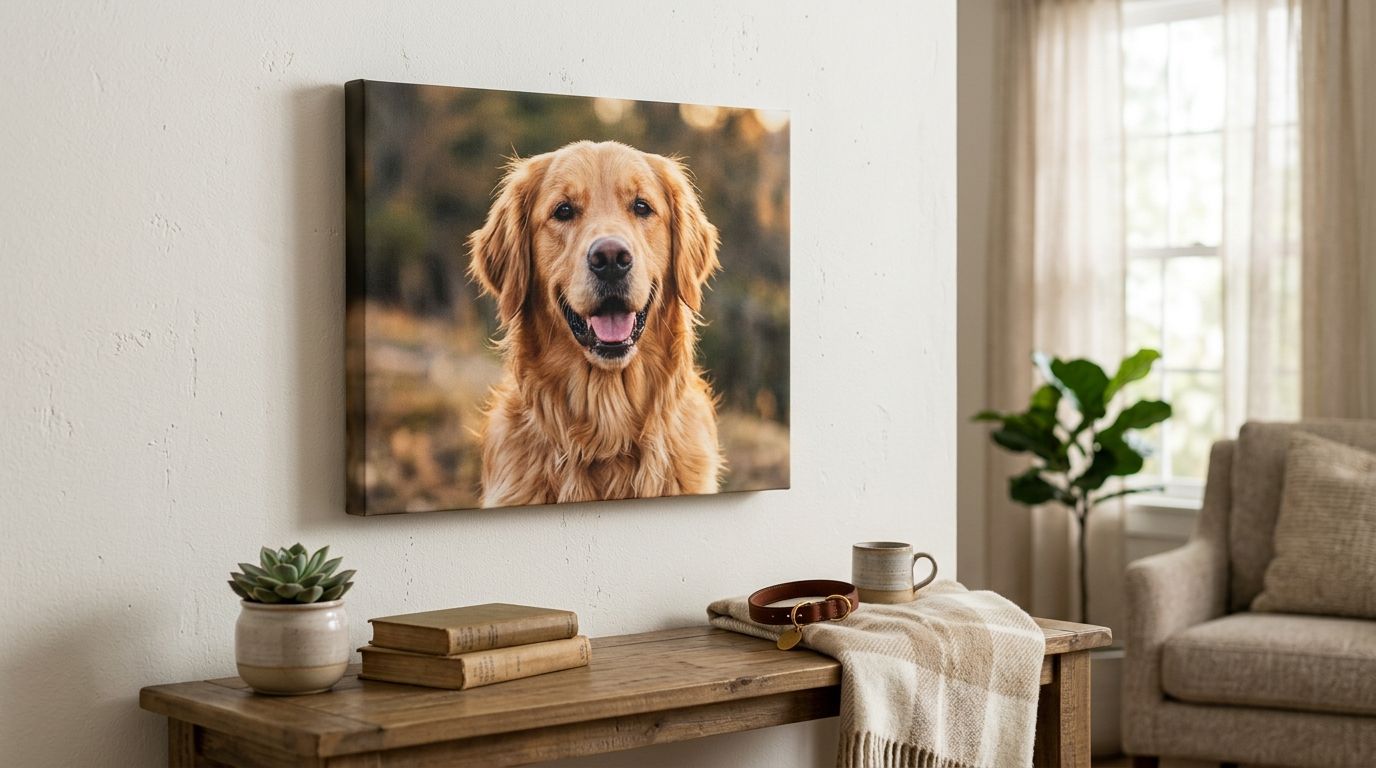
- Personal or family-style photography. A large-scale black-and-white portrait or a beach holiday snap works in a home; in a shared office it reads as someone's personal project taking up communal wall space.
- Unframed prints under $50. They curl at the corners within a year under office air-conditioning and fluorescent lighting, and a curling print in a client-facing space undoes the rest of the fitout.
Verdict comparison
| Pick | Best room | Typical size/price | Install | Verdict |
|---|---|---|---|---|
| Large-format canvas | Reception, open-plan | 150cm-200cm wide | Wall-mounted, D-rings | Buy |
| Framed print | Boardroom | 100cm-120cm | Wall-mounted, wide mat | Buy |
| Original painting | Executive office | $410-$5,500 | Wall-mounted, single piece | Consider |
| Gallery wall cluster | Breakout zone | 3-6 prints, 30cm-50cm each | Grouped, picture rail | Buy |
| Peel-and-stick wallpaper | Feature wall, short lease | Full wall coverage | No drilling | Consider |
FAQ
What's the best wall art for corporate offices in 2026?
Large-format canvas for reception and open-plan walls, framed prints for boardrooms, and original paintings for single executive offices is the combination that holds up across a full fitout in 2026. Abstract and landscape themes work best because they read professional to a mixed audience of clients and staff.
How much does office wall art cost in Australia?
Framed prints typically run from a few hundred dollars, large-format canvas from several hundred, and original paintings from $410 to $5,500 depending on size and artist, based on current Gioia Wall Art catalogue pricing in 2026. Budget the largest spend for the room clients see first.
Should office wall art be framed or unframed?
Framed suits boardrooms and client-facing rooms, unframed canvas suits reception and open-plan walls where scale matters more than formality. A frame adds visual weight that a large stretched canvas doesn't need at 150cm-plus widths.
What size wall art works for open-plan offices?
Fill 60-75% of the available wall width, which on a typical 3-metre open-plan wall means a print somewhere between 150cm and 200cm wide. Anything under 90cm on a wall that size looks like an afterthought rather than a design decision.
Is abstract art better than photography for a corporate office?
Abstract and landscape themes are safer than figurative photography in shared corporate space because they don't carry the same risk of reading as personal, political or polarising to a mixed audience. Architectural and landscape photography clears the same bar and works well in corridors.
Can you use peel-and-stick wallpaper in a leased office?
Yes — peel-and-stick wallpaper covers a feature wall without drilling and removes cleanly at lease end, which suits most commercial tenancies under three years. Check the specific make-good clause in the lease before committing to a full wall.
How many pieces make a good office gallery wall?
Three to six framed prints, generally 30cm to 50cm each, is the range that holds together as a cluster without looking cluttered in a breakout room or corridor. Spacing between pieces should stay consistent, typically 5-8cm.
Does wall art actually matter for how an office is perceived?
An unfinished or bare wall reads as an incomplete fitout to anyone walking through, client or candidate, regardless of how the rest of the space is designed. Consistent framing and scale across every zone is what makes a fitout look intentional rather than assembled piecemeal.
One last thing
Keep the frame or canvas-edge finish identical across every zone on the same floor, even when the subject matter changes from reception to boardroom to breakout room. A matching finish is what makes six different artworks read as one curated collection instead of six separate purchases — and it's the detail most fitouts get wrong first.