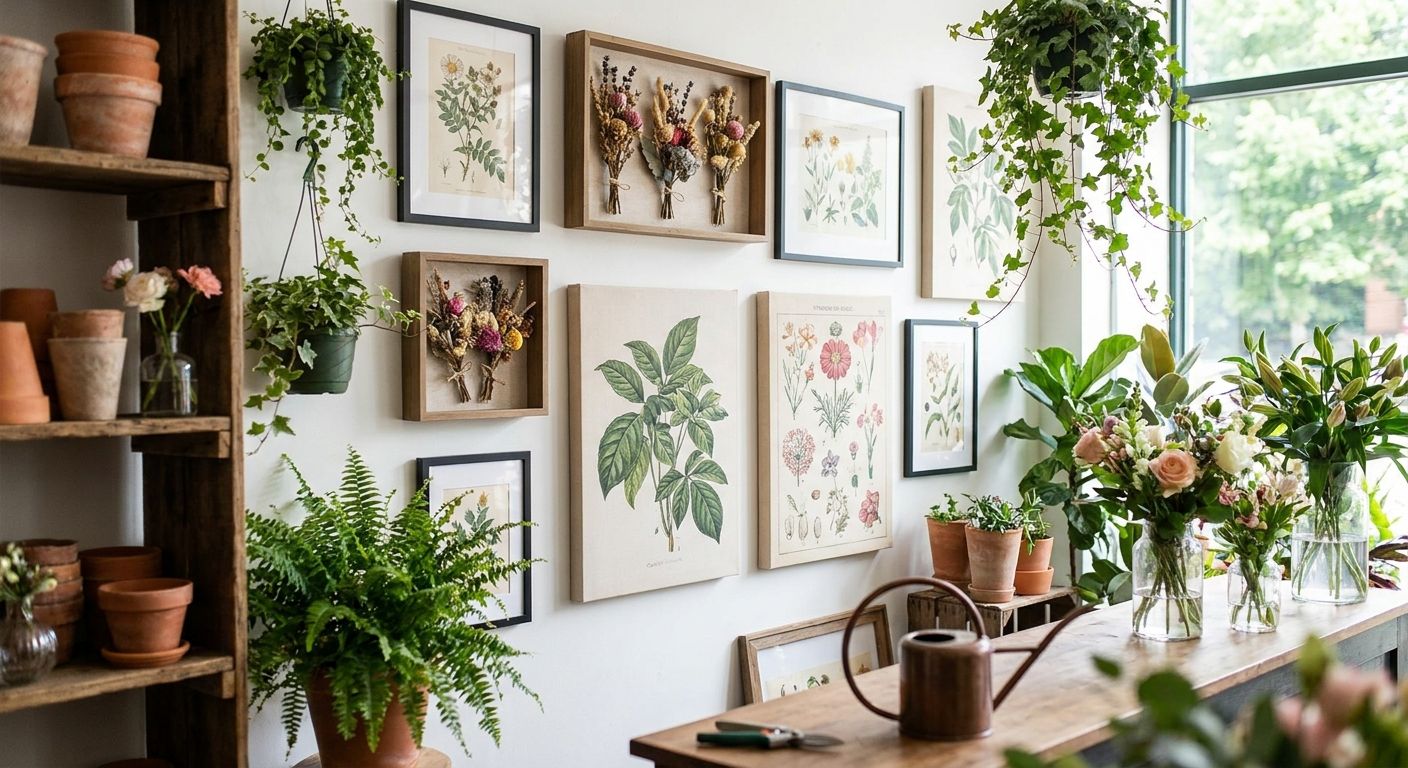
Florists and plant shops sell colour and texture for a living, so the wall art for florist shop displays has to earn its space without competing with the stock on the shelves. Get it right and the walls extend the shop's personality past the till; get it wrong and you've spent money on something the eye skips straight over.
- Botanical wall art for plant lovers is the safest wall art for florist shop pick because it echoes stock without duplicating it.
- Canvas outperforms framed glass in florist shops in 2026 because glare and moisture near sinks and coolers ruin glass fast.
- A feature wall behind the counter should run large format, not a cluster of small prints that get lost against greenery.
- Skip literal flower photography above the flower fridge - it competes with the product you're actually selling.
- Terracotta and warm earthy tones pair with foliage better than cool blues or greys in most retail plant spaces.
Why this matters
A florist or plant shop is a retail floor first and a design statement second. Customers dwell for three to eight minutes on average in a small format retail visit, and every minute they're standing still is a minute your walls are either selling the vibe or fading into the background.
Wall art in this setting does three jobs: it fills dead space above eye-level stock, it gives customers a reason to photograph the shop for social, and it reinforces the aesthetic that made them walk in rather than order online. Get those three jobs done with the wrong material - glossy frames near a wet flower cooler, for instance - and you're replacing damaged stock every few months.
Who this is for
This guide is for independent florists, plant shop owners, and boutique nursery retailers fitting out a shopfront in 2026, whether that's a first location or a refresh of tired walls above the register. It's built for someone choosing decor for a working commercial space, not a private home - which changes the priorities on durability, glare, and how the piece reads from the footpath.
What to look for in wall art for a florist or plant shop
Material that survives humidity and splash
Florists work around water, wet floors, and the occasional knocked-over bucket - glass-framed prints fog, warp, or crack in that environment faster than most owners expect. Canvas prints handle ambient humidity far better than framed glass and don't throw glare under retail spotlighting, which matters when customers are trying to photograph the space.
Botanical relevance without redundancy
A wall covered in literal flower photography competes with the actual flowers you're selling - the eye can't tell what's for sale and what's decor. Abstract botanical shapes, pressed-leaf illustration styles, or loose watercolour foliage read as art rather than inventory, which is the distinction that makes a wall feel curated instead of cluttered.
Scale that matches the wall, not the shelf
A single large-format piece behind the counter reads as a statement; a scatter of small prints at that same spot reads as an afterthought. Measure the actual wall before buying - a good rule most stylists use is filling roughly 60-75% of the available wall width for a feature spot, then let the arrangement of stock do the rest of the work in smaller nooks.
Colour that complements green, not competes with it
Greenery and floral stock already carry a lot of colour, so the art shouldn't fight it. Warm neutrals - terracotta, ochre, sand, muted rust - sit behind green foliage the way a good frame sits behind a photograph: present, but not the main event. Cool greys and stark blues tend to make live plant colour look duller by contrast.
Durability under daily foot traffic
A retail floor gets brushed, bumped, and occasionally splashed several times a day, every day, for years - domestic-grade framing doesn't hold up to that. Stretched canvas on solid timber bars and UV-stable inks cost a little more upfront but avoid the fading and edge-lifting that shows within a year in a bright, high-traffic shopfront.
Budget that matches a working business, not a showroom
A florist fitting out walls in 2026 is spending shop capital, not decorating a living room, so cost-per-piece matters against the return of a better-looking, more photographed store. Mixing one investment feature piece with two or three lower-cost prints usually reads better and costs less than uniform pricing across the whole wall.
Top picks for florist and plant shop walls
Botanical abstract canvas - the safe pick. Loose, painterly foliage shapes in canvas format resist humidity and never look dated the way literal flower photography does within a season. Botanical wall art for plant lovers covers this exact brief - Buy for the main sales floor wall.
Earthy terracotta tones - the warm accent. A single ochre or rust-toned abstract piece behind a wooden counter photographs well against green stock and doesn't fight the natural light most shopfronts get through a street-facing window. Buy as the counter feature if your fit-out already leans warm and natural.
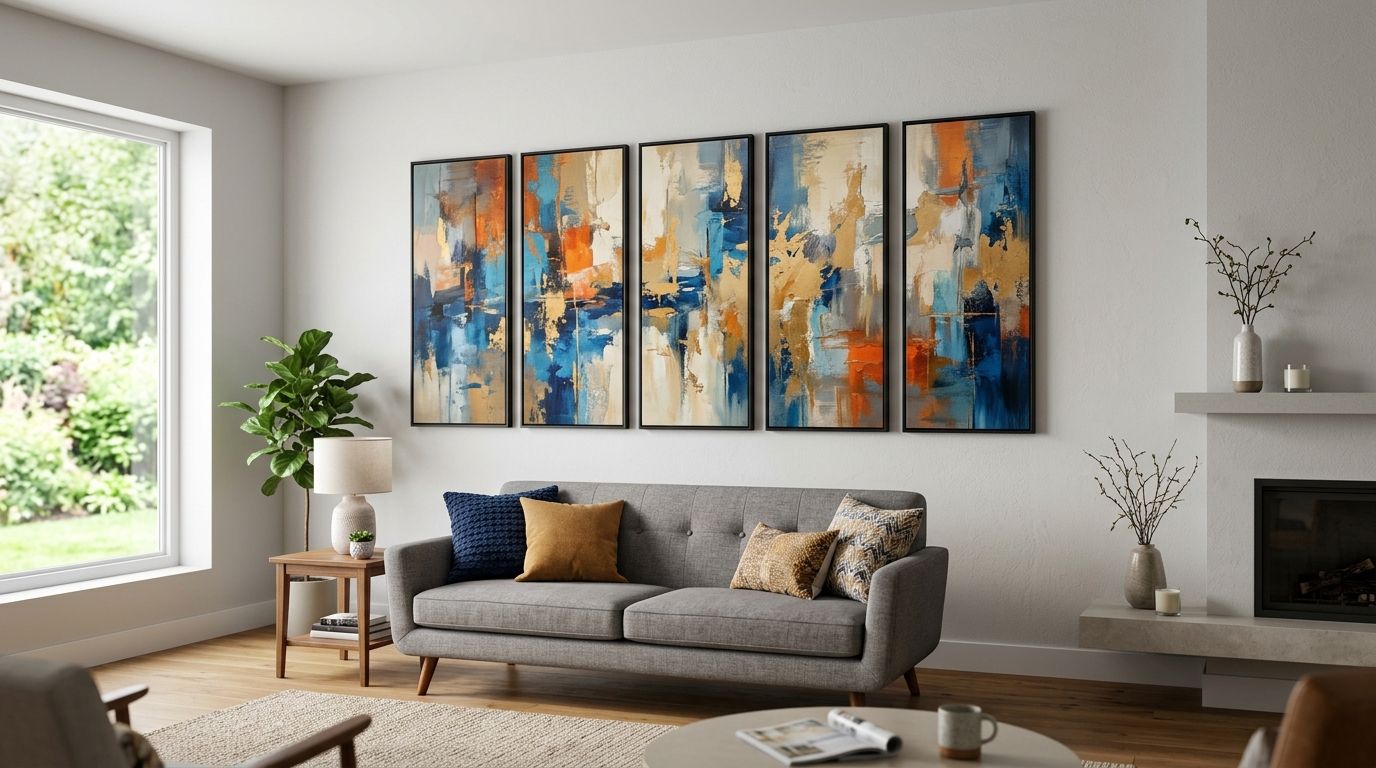
Large-format statement canvas - the anchor piece. One oversized canvas commands a wall the way three small prints never will, and it's the piece customers actually stop to photograph. For a shop that also does styling consults or event work, wall art for retail store interiors has sizing guidance built for exactly this kind of commercial wall. Buy if the wall is wider than about two metres.
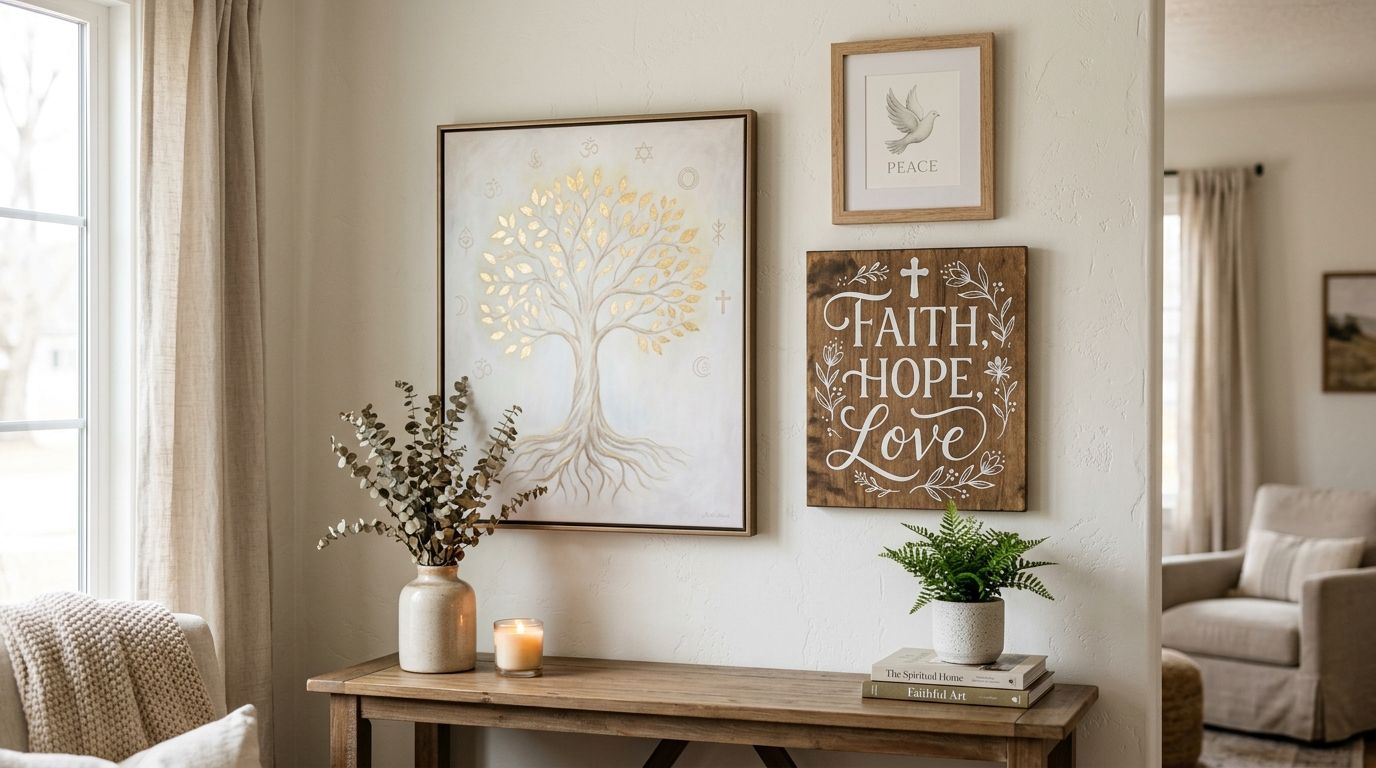
Framed watercolour botanical prints - the wildcard. These work in a boutique florist with a softer, cottage-style aesthetic, but the glass front needs to sit away from splash zones. Consider for a dry retail corner, Skip near the cooler or wash station.
Rotating seasonal poster prints - the low-commitment option. Unframed posters swapped every season keep the wall current without a big spend, useful for a shop still finding its visual identity. Consider for a first year of trading, then upgrade to canvas once the brand direction settles.


What to avoid
- Literal flower photography. It competes directly with your product instead of framing it - customers can't separate art from stock at a glance.
- Glossy glass frames near water sources. Splash from the cooler or a wash sink fogs glass and warps mounting boards within months.
- Oversized ornate gold frames. They read as formal dining room decor, not the relaxed, plant-forward aesthetic most florists and plant shops are going for in 2026.
Verdict comparison
| Pick | Best for | Material | Verdict |
|---|---|---|---|
| Botanical abstract canvas | Main sales floor | Canvas | Buy |
| Earthy terracotta accent | Counter feature | Canvas | Buy |
| Large-format statement piece | Wide feature wall | Canvas | Buy |
| Framed watercolour botanical | Dry corner, cottage aesthetic | Framed glass | Consider |
| Rotating seasonal posters | First-year, low commitment | Unframed poster | Consider |
Where wall art fits your fit-out budget
- Price one investment canvas piece against two to three smaller supporting prints rather than uniform pricing across the whole wall.
- Measure the actual wall in centimetres before ordering - choosing the right size wall art walks through the maths for filling a feature wall properly.
- If your palette already leans warm, terracotta and earthy wall art is built for exactly that colour direction and translates well from home to shopfront.
FAQ
What's the best wall art for a florist shop in 2026?
Botanical abstract canvas prints are the best wall art for florist shop walls in 2026 because they echo the stock without duplicating it and hold up against humidity better than framed glass. Terracotta and earthy tones work particularly well against green foliage.
Is canvas better than framed prints for a plant shop?
Yes, canvas generally outperforms framed glass in a plant shop or florist because it resists humidity, doesn't glare under spotlighting, and survives daily foot traffic better. Framed glass works fine in a dry corner away from water sources.
How much does wall art for a retail florist cost?
Costs vary widely by size and whether it's an original painting or a printed canvas, so check current pricing on the specific piece before budgeting. A mix of one larger feature piece with smaller supporting prints usually costs less than uniform-sized art across the whole wall.
Should florist wall art match the flowers or contrast with them?
Wall art should complement floral stock in tone rather than compete with it directly - warm neutrals like terracotta and ochre sit well behind green and floral colour. Literal flower photography tends to compete with the actual product on display.
What size wall art works above a florist counter?
A single large-format piece filling roughly 60-75% of the available wall width reads as a statement, while several small prints in that same spot tend to look like an afterthought. Measure the wall before ordering rather than guessing the size.
Can I use posters instead of canvas in a plant shop?
Posters work as a low-commitment option for a first year of trading or for seasonal rotation, but they wear faster under retail lighting and handling than canvas. Most shops upgrade to canvas once their visual identity settles.
Does wall art actually affect a florist's foot traffic or sales?
Wall art itself doesn't move product, but a photographable feature wall gives customers a reason to linger and share the space, which extends dwell time in the store. Longer dwell time in a small retail footprint generally means more browsing of stock.
What wall art should a plant shop avoid?
Avoid literal flower or plant photography near the actual stock, glossy glass frames near water sources, and oversized ornate frames that clash with a relaxed, plant-forward aesthetic. All three either compete with the product or fail quickly in a working retail environment.
One last thing
The detail most florist owners miss isn't the art itself - it's the fixing. A framed print hung on a standard picture hook will work loose within weeks in a shop with a door that swings open fifty times a day; canvas on a solid timber bar mounted with a proper D-ring and wall anchor doesn't budge under that kind of daily vibration, and it's the difference between rehanging art every month and not thinking about it again until 2027.