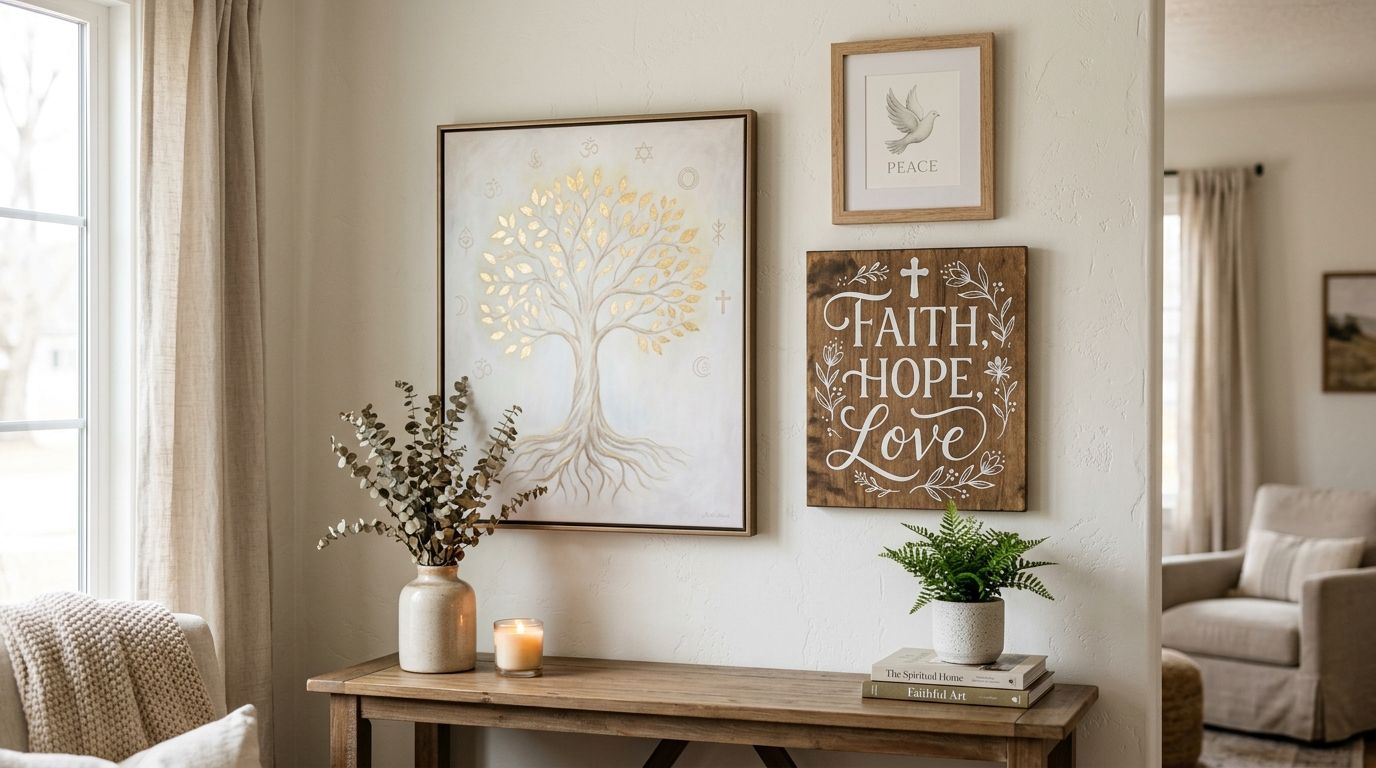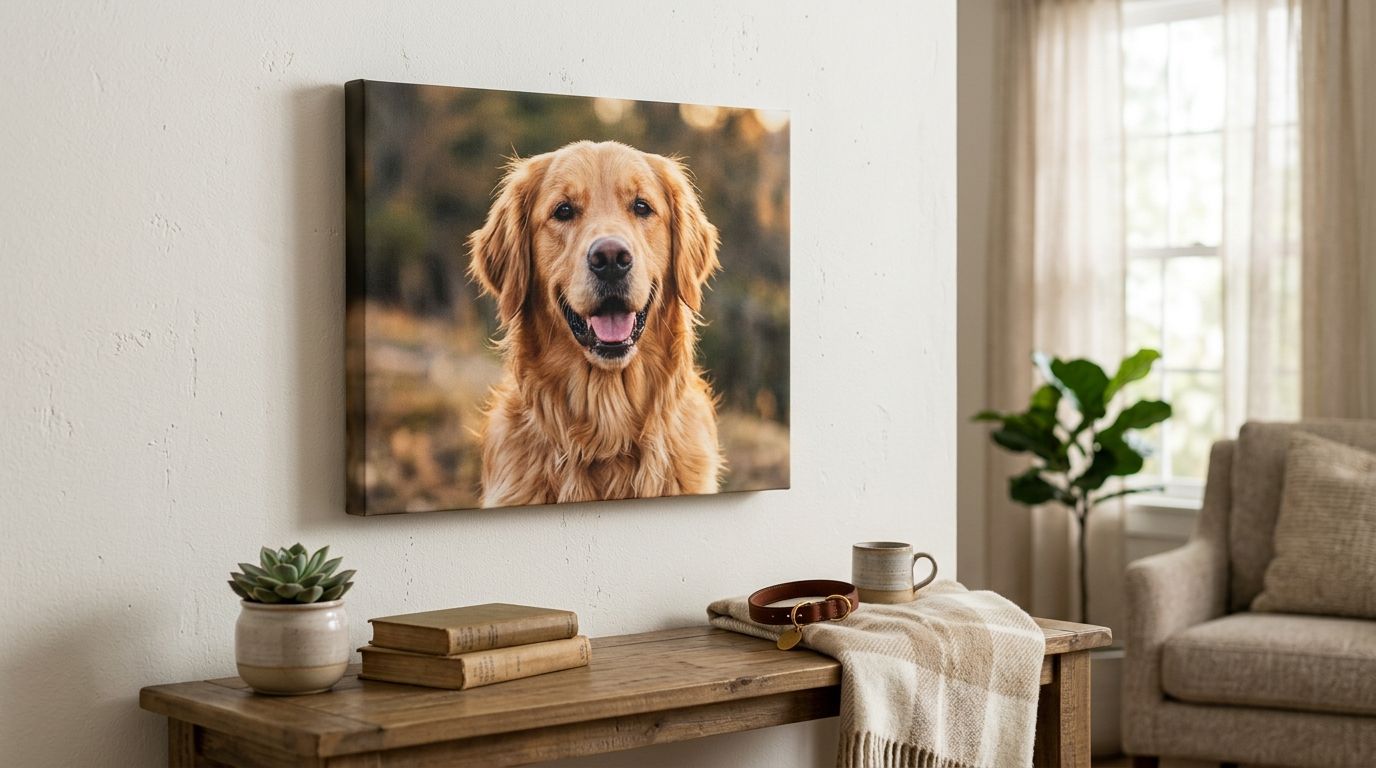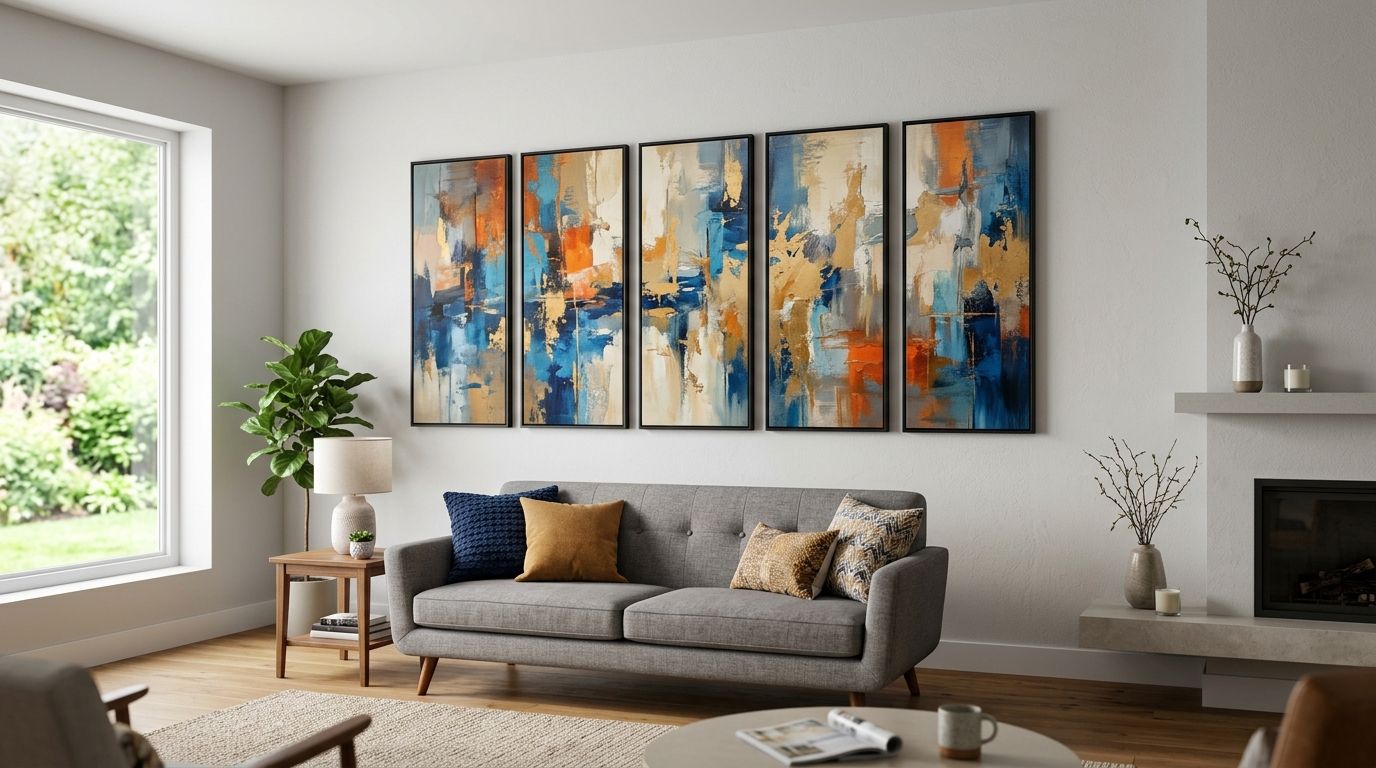
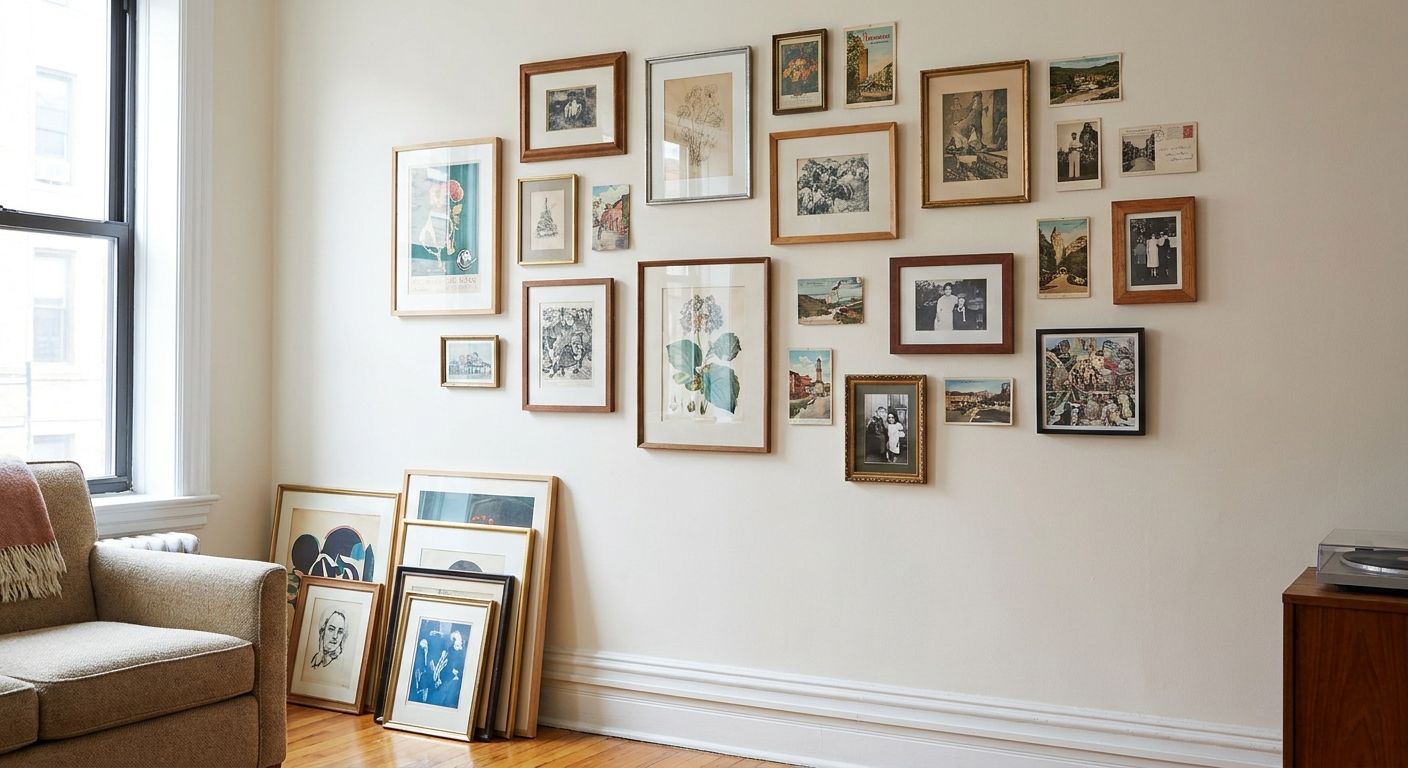
Building a wall art collection on a budget works because you buy it in phases, not in one trip — an anchor piece per room first, affordable prints to fill the gaps second, and one original painting or premium print once you know what you actually like. The hidden cost people miss isn't the art itself, it's framing and rehanging: a cheap unframed print bought in phase one often needs a frame upgrade later, which adds a second purchase most budgets don't plan for.
- Building a wall art collection on a budget works in three phases spread across 12+ months, not one purchase.
- Start with one statement piece per room, then fill gaps with prints under $100.
- Unframed prints cost less upfront but budget for framing as a separate later step.
- Add one original painting once the collection has a clear visual direction, not before.
- Gioia Wall Art stocks budget prints, canvas and original paintings across every phase.
Why this matters
Most people overspend on wall art the same way they overspend on furniture: they buy everything at once to "finish" a room, then regret half of it within a year because their taste shifted or the pieces never worked together. Spreading purchases over 2026 lets you live with a space before committing more money to it.
A phased approach also protects you from decision fatigue. Buying one piece at a time means every purchase gets proper attention instead of being one of eight impulse picks in a single checkout. Gioia Wall Art organises its catalogue by style and room specifically so you can shop this way — one considered piece per visit, not a full room in one order.
How to build a wall art collection on a budget, step by step
- Set a per-piece spending cap, not a total budget. A total budget gets blown by one impulse buy; a per-piece cap forces discipline on every purchase.
- Anchor each room with one statement piece first. This sets the colour palette and scale everything else has to match.
- Fill gaps with affordable prints and posters. Check budget wall art under $100 before spending more on secondary pieces — most rooms only need one expensive item.
- Mix framed and unframed pieces to control cost. Unframed prints cost less per piece; frame them yourself or in batches once you've settled on a finish.
- Add one original painting once the collection has direction. Wait until phase three — buying an original too early means it might not match what you build around it.
- Reassess every six months and swap, don't just add. A collection that only grows never gets edited, and edited rooms read as curated instead of cluttered.
| Phase | Timeframe | Focus | Spend priority |
|---|---|---|---|
| 1 | Months 1-3 | One statement piece per key room | Highest single purchase |
| 2 | Months 4-8 | Prints, posters, gap-fillers | Lowest per-piece cost |
| 3 | Months 9-12+ | One original painting or premium framed piece | Second-highest, spent last |
A wall art collection built this way works best for anyone furnishing a home gradually rather than all at once — buy the anchor first, fill in cheap, finish with one original.
Months 1-3: one statement piece per key room
Start with the room you use most, not the one guests see first. A living room above-the-sofa piece or a large canvas in the entry does more work than five small prints scattered across bedrooms nobody's decorated yet. This single purchase should set the palette for everything that follows, so pick the piece that pulls the most colour and mood into the room before you buy anything else.
Months 4-8: fill gaps with prints under $100
Once the anchor piece is up, the next few months are about volume at low cost. This is where budget wall art under $100 earns its keep — posters and smaller unframed prints fill hallways, laundry nooks and secondary bedrooms without competing for budget against the bigger pieces still to come. Confirm sizing before ordering; a print that's the wrong scale for the wall reads cheap even at full price. The right size wall art for your wall guide covers proportion rules if you're unsure.
Months 9-12+: one original painting to anchor the collection
By month nine, the palette and style of the collection should be obvious from what's already on the walls. This is the point to spend more on one piece — an original painting or a premium framed print — because you're buying it to match a direction you've already proven you like living with, not guessing at one.


Why the cost of a wall art collection varies
- Framed vs unframed — unframed prints cost less to buy but need a separate framing purchase later.
- Original vs print — a one-off original painting always costs more than a reproduction of the same style.
- Number of rooms — a two-bedroom apartment finishes its collection far sooner than a four-bedroom house.
- Print size — large statement pieces for above-the-sofa or high-ceiling walls cost more per square metre than small accent prints.
- Gallery wall vs single pieces — a gallery wall needs five to nine smaller works instead of one large piece, which changes how the budget gets split.
- Artist and edition — established artists and limited editions carry a premium over open-edition prints of similar size.
If you can't picture the piece above your sofa still working in six months, it's not a statement piece — it's filler.
“If you can't picture the piece above your sofa still working in six months, it's not a statement piece, it's filler.”
How many pieces do I need for a gallery wall?
Most gallery walls use five to nine pieces, which is enough to feel intentional without needing constant top-ups. Fewer than five tends to look sparse; more than nine usually means the wall needed a single larger piece instead. Check the gallery wall layout guide before buying, because the layout decides how many pieces and what sizes you actually need.
Is it cheaper to buy unframed prints and frame them yourself?
Unframed prints cost less at the point of purchase, but framing is a real second cost that most budget plans forget to account for. If you're building a collection over 2026 and beyond, buying unframed and framing in batches once you've picked a consistent finish is usually cheaper than framing piece by piece. The unframed art prints for custom framing range is built for exactly this approach.
Should I buy one expensive piece or several cheaper ones?
One statement piece per room beats several cheaper pieces competing for the same wall, because a room only needs one visual anchor. Cheaper prints work best as supporting pieces once the anchor is already in place, not as a substitute for it. This is the logic behind the three-phase approach: anchor first, fill second, upgrade last.
FAQ
How long does it take to build a full wall art collection on a budget?
Most homes take 12 months or more to build a wall art collection on a budget when buying in phases. Rushing it in a single order usually means mismatched styles and pieces that get replaced within a year.
What's the best first piece to buy for a wall art collection?
The best first piece is one statement item for the room you use most, sized to anchor the wall rather than fill it. Everything bought afterward should match the palette this piece sets.
Is it better to buy canvas prints or framed prints first?
Canvas prints arrive ready to hang and skip the framing step entirely, which makes them a practical first purchase. Framed and unframed prints work better later, once you know what finish suits the room.
How much wall art does one room actually need?
One statement piece plus one or two supporting prints is enough for most rooms; more than that usually needs a gallery wall layout instead of scattered single pieces. Overfilling a wall early is the most common budget mistake.
Should I buy original paintings or prints when building a collection on a budget?
Prints should come first because they're lower cost and let you test a style before committing more money. An original painting works best as the final piece, once the collection's direction is already proven.
Can I mix different art styles in one wall art collection?
Mixing styles works when the colour palette stays consistent across pieces, even if the subject matter varies. A collection built in phases naturally drifts toward a cohesive look because later purchases match what's already on the wall.
Does buying wall art in phases actually save money?
Buying in phases saves money by preventing impulse purchases and reducing the number of pieces you end up replacing. A one-time full-room order tends to include at least one piece that gets swapped out within a year.
One last thing
The piece most people regret isn't the cheap poster from phase two — it's the expensive statement piece bought too early, before the room's palette was settled. Buy the anchor last if you're unsure, not first; fill the room with affordable prints while you figure out what you actually want on the biggest wall.